

The World Cup is here: How smart creators are using it to grow
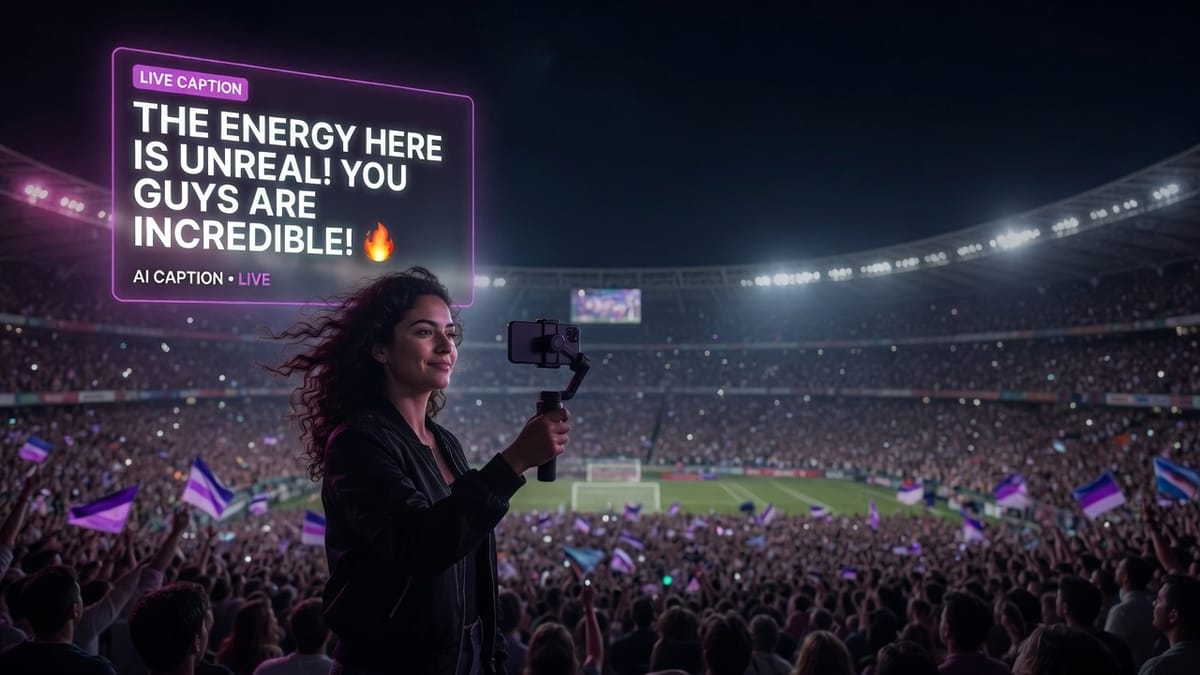
The biggest sporting event on the planet just kicked off. Five weeks, 104 games, billions of viewers. You do not need to be a sports creator to take advantage of it, you just need to know where the opportunity is.
The numbers that put this in perspective
Six billion people are expected to tune in to the World Cup this summer in some form, making it this year's standout cultural event on the global calendar.
The 2026 FIFA World Cup runs from June 11 to July 19, featuring 48 teams, 16 more than the 2022 World Cup in Qatar, spread across 16 host cities in the United States, Canada, and Mexico. It is the first time a World Cup has ever been hosted by three nations simultaneously.
Advertisement
With 104 games over five weeks, this is not a single event, it is five weeks of heightened excitement and always-on engagement, significantly widening the opportunities for anyone who creates content online.
For creators and entrepreneurs, this is one of the most powerful visibility windows of the entire decade. The question is not whether to show up. It is how.
Why this matters even if your niche has nothing to do with football
This is the most important thing to understand and the thing most creators miss.
The World Cup is not just a sports event. It is a cultural moment. For five weeks, it dominates conversations across every platform, in every language, in every country. And cultural moments create one thing that is genuinely rare in the creator economy: a shared context that billions of people are already paying attention to.
You do not need to be a football analyst or a sports commentator to use that. You need to find the angle where the World Cup intersects with what you already do.
A productivity creator can talk about how to stay focused during a month of lunchtime games. A personal finance creator can break down the economics of the tournament. A food creator can cover the cuisine of countries competing. A business creator can analyze the marketing strategies of World Cup sponsors. A tech creator can cover how AI is being used to analyze player performance or generate match highlights.
The World Cup marketing opportunity is not just for sports brands, any brand or creator can find their angle. The key is connecting your existing niche to the moment authentically, rather than forcing a connection that feels awkward or opportunistic.
Where the audience is, and how they are consuming content
Understanding where people are watching and engaging during the World Cup tells you exactly where to show up as a creator.
43% of expected viewers plan to watch via streaming rather than traditional TV. These are people with second screens open, actively scrolling social media during matches, searching for reactions, analysis, and commentary in real time. That is your audience, and they are looking for content to engage with between goals, at half time, and after the final whistle.
Consumers will turn to social media to watch short-form content from athletes and teams, stream highlights on various platforms, catch up on results on news sites, and soak up the tournament's energy through creators, podcasts, and original content.
Instagram, TikTok, and YouTube will be the primary platforms where creators and brands activate during the tournament. Each platform serves a different type of World Cup content:
Advertisement

TikTok is where reaction content, quick takes, and cultural commentary will dominate. The fastest moving platform during live events — if something happens in a match, TikTok will be processing it within minutes. Short, opinionated, culturally aware content wins here.
YouTube is where longer analysis, match breakdowns, and documentary-style content will perform. Viewers who want depth — tactics, history, player stories — will come here. If you have an educational or analytical angle, this is your platform.
Instagram is where the aesthetic, lifestyle, and cultural side of the tournament lives. Fan fashion, city atmospheres, behind-the-scenes moments, and brand collaborations will thrive on Reels and Stories. If your brand has a visual identity, lean into it here.
How AI gives creators a serious edge during live events
The World Cup moves fast. A goal, a red card, a shock result, and within minutes the entire social media conversation shifts. For creators without large teams, keeping up with that pace used to be nearly impossible.
AI changes that equation completely.
AI accelerates three critical capabilities during a fast-moving event like the World Cup: real-time social listening to detect trending conversations within minutes, rapid content generation that gives creators options to review and publish rather than creating from scratch, and performance optimization that shows what is working so you can double down on it during the tournament.
Here is what that looks like practically for a solo creator:
Real-time trend detection. AI tools can monitor what is being searched and talked about on each platform during and after every match. You do not have to guess what people want to see, the data tells you in real time. That means you are creating content about what people are already looking for, rather than hoping your take lands.
Content at tournament speed. The World Cup produces multiple talking points every day for five weeks. AI can help you draft captions, scripts, short-form commentary, and post ideas faster than you could do it manually, freeing you to focus on your voice and judgment rather than the mechanics of production. The combination of AI speed and human strategic judgment delivers both velocity and brand safety during a fast-moving tournament.
Repurposing across platforms. A single piece of World Cup content, a match reaction, a hot take, an analysis — can be turned into a TikTok clip, an Instagram caption, a newsletter section, and a YouTube short with AI handling the adaptation for each platform. One idea, five pieces of content, published before the next match kicks off.
Multilingual reach. The 2026 tournament will generate massive creator conversation in Spanish, Portuguese, French, Arabic, and beyond. AI translation and localization tools mean a creator publishing in English can adapt content for Spanish or Portuguese-speaking audiences, the two largest football fanbases in the world, without hiring a translation team.
The collaboration opportunity
The World Cup is one of the best collaboration environments of the year and not just for sports creators.
Brands are partnering with creators who already shape opinions in the communities that fans trust, not just sports commentators, but fashion creators, lifestyle creators, food creators, and culture creators who speak to audiences that overlap with football fandom.
Major brands are actively looking for creators to work with right now. One major CPG brand has partnered with a diverse network of influencers and content creators across its largest markets, ranging from football fans and sportscasters to fashion, lifestyle, and beauty creators, and is hosting in-person creator hubs in Mexico City, New York, and Miami.
If you have an engaged audience, even a small one, in any niche that overlaps with football culture, this is a genuine brand deal window. The key is reaching out proactively with a clear angle: not "I want to work with you on the World Cup" but "here is the specific community I speak to, here is how your brand fits authentically into what they care about, and here is the content I would create."
Creator-to-creator collaborations are equally valuable right now. Find creators in complementary niches, a food creator and a travel creator covering the same host city, or a business creator and a tech creator breaking down the tournament's commercial story together. Shared audiences, shared content, doubled reach.
A practical week-by-week content framework
The World Cup has a natural structure that maps directly onto a content calendar. Here is how to think about each phase:
Now through June 25, Group stage: This is the highest volume, most chaotic phase. Every day brings multiple results, upsets, and talking points. Focus on reactive content, quick takes, trend-jacking, real-time commentary. Use AI to stay on top of what is trending and publish fast. Consistency matters more than perfection here.
June 29 through July 7, Round of 32 and Round of 16: The tournament starts narrowing. Bigger matches, bigger moments, bigger audiences. This is when your more considered content, analysis, deeper dives, collaborative pieces, will find the most traction. The casual fans who tuned in for the group stage are now invested.
July 9 through July 15, Quarterfinals and Semifinals: Peak engagement. Every match is an elimination. Emotional content, reaction videos, story-driven posts, cultural pieces about the countries still competing, will resonate deeply. This is also when brand collaboration content tends to perform best, because the audience is at its most attentive.
July 19, The Final: The single biggest content day of the tournament. Whatever you have been building toward, a series, a collaboration, a campaign, this is the moment to land it. Post-final content also has a long tail: analysis, retrospectives, and "what just happened" pieces will continue getting traffic for days afterward.
The signal in all the noise
The World Cup is a five-week visibility window that billions of people are already paying attention to. You do not need a sports niche, a large team, or a big budget to take advantage of it. You need a clear angle, a consistent presence, and AI tools helping you move at the speed the tournament demands.
This generation does more than just watch games, they remix them. TikTok edits, fan-made commentary, AI-generated recaps, and viral fan content will dominate social media for the next five weeks. The creators who show up consistently, with genuine perspectives and smart use of AI, will walk away from July 19 with audiences significantly larger than the ones they had on June 11.
That window is open right now. It will not be open again for four years.