

TikTok and YouTube are the new Google
Search is no longer a Google-only game. Now people prefer social media search.

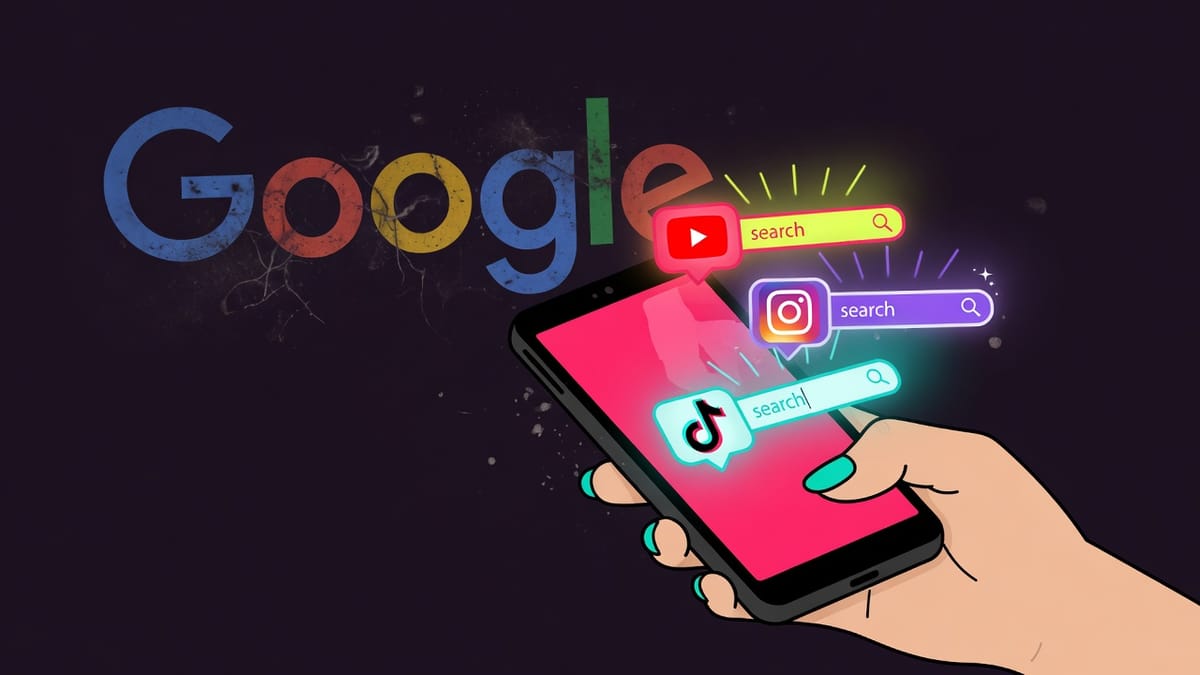
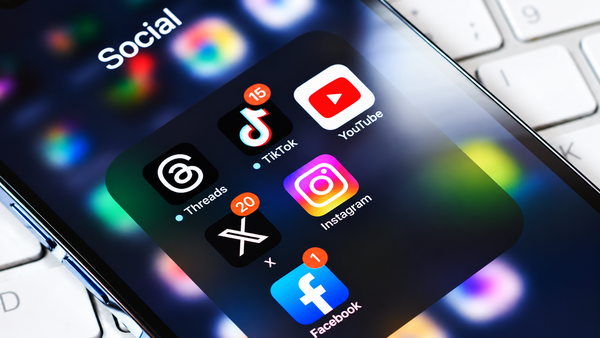
Your audience stopped Googling. They're searching on TikTok, YouTube, Instagram and X instead. Here's what that means for you as a creator and exactly what to do about it.
Something quietly shifted and most creators missed it
Think about the last time you wanted a honest product review. Or tried to figure out the best tool for a specific task. Or looked for a quick tutorial on something you'd never done before.
Did you open Google? Or did you go straight to TikTok, YouTube, Instagram or X?
If you went to social media first, you're not alone. In 2026, search is no longer a Google-only game. People ask TikTok for product recommendations, use Instagram to vet brands, and rely on YouTube for in-depth tutorials and reviews.
This isn't a minor trend. It's a fundamental change in how people find information and it has massive implications for every creator and entrepreneur publishing content online.
Advertisement
 Nat Friedman
What is actually happening right now
Search isn't dying, it's relocating. Discovery, intent, and decision-making are no longer triggered by static blue links. They're being shaped by dynamic short-form videos built by creators and algorithms that learn faster than we do.
The numbers back this up. 82% of consumers now use social platforms for product discovery, with Gen Z leading the shift at 76%. And while Google still holds the top spot overall, the gap is closing fast, especially for audiences under 35.
64% of Gen Z users now search on TikTok the same way they used to search on Google. They type in questions, look for real people showing them real answers, and make decisions based on what they find in their feed, not on a search results page.
For creators and entrepreneurs, this creates both a problem and an opportunity. The problem: if your content isn't optimized to be found inside these platforms, you are essentially invisible to a growing portion of your ideal audience. The opportunity: the creators who understand this shift right now have a significant head start on everyone still optimizing only for Google.
Why people prefer social search
The reason is not complicated. People prefer answers in the format that feels fastest and most useful for their situation. When someone wants to know whether a product is worth buying, a 30-second video from a real person showing them the result is more convincing than a written blog post, no matter how well that blog post ranks on Google.
A simple search on TikTok or YouTube can surface a short unboxing or honest review. The comments add social proof, and built-in shop links make it easy to buy instantly, without ever leaving the app. Discovery, validation, and purchase collapse into one seamless experience.
That is a fundamentally different experience from typing into a search bar and clicking through multiple links. And once people get used to it, they rarely go back.
Advertisement

What this means platform by platform
Each platform has become the go-to search engine for a specific type of question. Here is how to think about each one:
TikTok for quick, honest answers: TikTok is where people go when they want a real, unfiltered answer fast. Best restaurant in a city. Honest review of a course. How to fix a specific problem in 60 seconds. TikTok's algorithm prioritizes content relevance and engagement rate over follower count, meaning a brand account with 500 followers can outrank a creator with 5 million if its content is more specifically relevant to the query. This levels the playing field completely for smaller creators who go deep on a niche.
YouTube for in-depth learning: YouTube remains the dominant platform for tutorials, reviews, and anything requiring more than a minute of explanation. People rely on YouTube for in-depth tutorials and reviews, and the platform rewards creators who answer specific questions thoroughly. If someone wants to understand how to use a tool, plan a trip, or learn a skill, YouTube is usually their first stop and the videos that answer questions clearly and completely are the ones that keep getting found for months and years.
Instagram for brand and product vetting: People use Instagram to vet brands before buying. When someone discovers you on TikTok or hears about you through a friend, they go to Instagram to decide whether you're credible and worth following. Your Instagram profile is now functioning as a search landing page, which means how it looks, what it says, and what content appears first matters more than most creators realise.
X for real-time opinions: X has become the place people go when they want unfiltered, real-time takes. Industry news, product launches, public debates, if something is happening right now, people search X to see what real people are saying about it. For entrepreneurs and thought leaders, showing up consistently on X with clear, specific opinions is increasingly a discoverability strategy in itself.
The new rules of being found: Social SEO
This shift has created a new discipline called social SEO, sitting at the intersection of classic search engine optimization and social media strategy. It determines whether your content is discoverable across social feeds, in-platform search results, and even in responses generated by AI tools like ChatGPT or Perplexity.
Here is what actually matters for each piece of content you publish:
Say the words out loud. On TikTok and Instagram Reels, the algorithm reads your audio. If you are creating a video about productivity tools for freelancers, say "productivity tools for freelancers" in the first ten seconds. Not as a keyword stuffing exercise, just naturally, as part of how you open the video. The platform is listening.
Put keywords in your captions and titles. Write your captions and video titles the way your audience would type a question. Not "My morning routine", but "Morning routine for freelancers working from home." Think about what someone would actually type into a search bar when they are looking for the answer your content provides.
Watch time is everything. A 15-second video watched fully beats a 60-second video watched halfway. Every platform rewards completion rate above almost everything else. This means your hook, the first two to three seconds of any video, is not just important, it is everything. If people scroll past before your content has a chance to land, the algorithm will stop showing it.
Saves and shares signal search relevance. Likes are nice. Saves and shares are what tell the algorithm your content is genuinely useful. When someone saves your post, they are essentially bookmarking it to come back to, which signals high value. Aim to create content worth saving, not just worth watching once.
Be consistent on one topic. Authority now comes from topical consistency and genuine engagement, not follower count. The more consistently you create content around a specific topic, the more the algorithm associates you with that topic and the more likely your content is to appear when someone searches for it. A creator who posts about email marketing every week will rank higher for email marketing searches than a creator with ten times the followers who posts about everything.
How AI helps you execute this without burning out
Optimizing for social search sounds like a lot of extra work on top of everything else you are already doing. This is where AI becomes genuinely useful, not as a replacement for your ideas, but as the engine that helps you execute them consistently.
AI can help you identify what questions your audience is actually searching for on each platform, write keyword-optimized captions and titles tailored to each platform's search behavior, repurpose a single piece of content into multiple search-optimized formats, and analyze which of your existing posts are performing in search so you can create more of what is already working.
The goal is to build what one strategist called "a searchable library of proof", a body of content that keeps working for you long after you publish it, surfacing every time someone searches for answers you have already provided.
Where to start this week
You do not need to overhaul everything at once. Start here:
- Pick your one core topic, the thing you want to be known and found for
- Go to TikTok or YouTube and type that topic into the search bar, look at what questions come up in the suggestions. Those are the videos you should be making
- Take your last five posts and rewrite the captions to include the specific words your audience would search for
- For your next three videos, make sure you say your core topic out loud in the first ten seconds
- Track saves and shares, not just likes, as your new measure of content quality
That's it. Five steps. No expensive tools required, no complete rebrand. Just a small shift in how you think about every piece of content you publish.