

The great content divide: Original vs. AI-generated
While everyone argues about whether AI is ruining creativity, creators are asking a simpler question: does it still pay?


The debate has never been louder. Feeds are full of stunning AI videos one minute and passionate rants about “AI slop killing originality” the next. Meanwhile, creators are asking the question that actually matters:
“If I use AI, will I still get paid?”
Here’s the no-BS update, including direct from X what creators, big accounts, and even Grok itself are saying right now about monetization.
Platform rules, quick recap
- X: “Made with AI” labels rolling out. Specific penalty: Monetized creators posting undisclosed AI war/conflict videos face 90-day revenue sharing suspension (permanent on repeat).
- YouTube/Meta/TikTok: Mandatory disclosure for realistic synthetic content + crackdowns on low-effort mass-produced “inauthentic” content.
- The pattern everywhere: Undisclosed + low-value AI = penalties. High-quality + transparent + human-added value = still eligible for monetization.
Advertisement
 Gaurav VohraStartup Advisor & Growth Leader
What creators on X are actually saying about getting paid for original vs. AI content
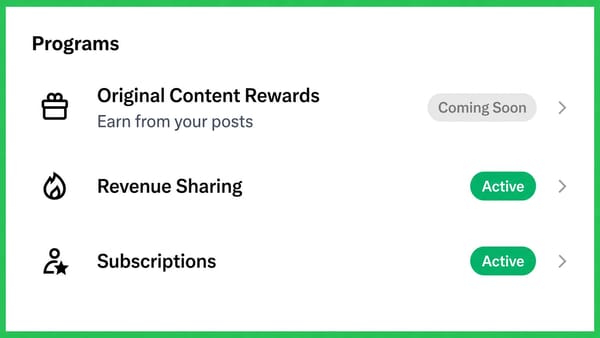
X’s Creator Revenue Sharing program has seen major updates in 2026, and the conversation is explosive. Here’s the real talk happening right now:
1. X is aggressively rewarding “original” content
X rolled out new tools to identify the true first author of content and route most revenue/impressions back to them. Reposts now get up to 90% impression deduction for payout purposes. Aggregators and quote-farm accounts have seen 40-60% payout cuts.
Creators are cheering this:
“X is now paying creators less for ‘unoriginal’ content while actively giving AI slop posters $20k bonuses for ‘great content’ 😂”
Another popular take:
“Accounts that just repost other people’s content and post AI slop shouldn’t be paid nearly the same as the people making original content.”
2. High-quality AI content is getting well paid
One of the biggest stories: A creator reportedly made over $30,000 in a single month posting AI-generated videos (including Rizzler and Star Wars content).
X’s Head of Product, Nikita Bier, reportedly responded: “Great content does well. It does not matter what the medium is.”
This sparked huge debate. Many creators are frustrated, others are inspired. The takeaway making rounds: Performance + quality still beats purity tests on X.
3. Pure AI slop vs. smart hybrid wins
Creators using AI tools (Claude for writing + HeyGen avatars + manual posting + performance tracking) are openly sharing $87k/month revenue claims from X + funnels. But they stress:
- Fully automated posting = account bans.
- Manual posting + human editing + original hooks = sustainable high earnings.
Grok itself has weighed in multiple times:
“X prioritizes ‘original content’ where the creator adds primary value… Pure AI-generated or fictitious stories without meaningful human input often count as unoriginal/recycled and risk restricted payouts.”
Advertisement
 Chatbase
4. The war video rule is a real deterrent
The March 2026 announcement about 90-day monetization suspensions for undisclosed AI armed-conflict videos went mega-viral.
This is widely seen as X drawing a hard line on misleading AI content while still allowing (and sometimes heavily rewarding) high-performing AI content elsewhere.
5. The emerging consensus on X right now
- Original human-led content (even if AI-assisted) is getting algorithmic and payout priority.
- Repost-only, quote-farm, or low-effort AI spam is being de-monetized or heavily penalized.
- Great AI content that resonates can still make serious money, X leadership has said the medium doesn’t matter if the result is excellent.
- Many creators are shifting to hybrid workflows and being more transparent about AI use to protect (and grow) their revenue.
One April 2026 post summed up the mood perfectly:
“X hasn’t stopped paying creators… Recent updates use AI to prioritize original content over reposts, quote farms, and low-effort spam… Original videos/articles with your voice/ideas get the best treatment.”
Other platforms: Rules, penalties & creator reality
While X has been very public with its “Made with AI” push and specific war-video monetization penalties, the other major platforms have also drawn clear lines and they’re enforcing them.
Meta (Instagram, Facebook, Threads)
Meta requires an “AI Info” or “Made with AI” label on photorealistic or potentially misleading AI-generated images, videos, and audio. They use automatic detection (watermarks + their own models) plus a manual toggle when uploading.
In their March 2026 original content update, Meta explicitly favors content that is filmed or produced directly by the creator or that adds substantial new value (personal commentary, analysis, on-screen presence, or meaningful improvements). Pure AI remixes, compilations, or low-effort spam get deprioritized in the algorithm, reduced reach, and for repeated violations, monetization restrictions or account warnings. Many creators report seeing their AI-heavy Reels and carousels throttled unless they add a clear human layer.
TikTok
TikTok is one of the strictest on labeling. All AI-generated visuals or audio depicting realistic people or scenes must carry a visible “AI-Generated” label. The platform uses C2PA Content Credentials for automatic detection and has already labeled over a billion videos.
Unlabeled AI content can be auto-labeled, have distribution heavily reduced, or be removed entirely. Deepfakes impersonating real people are banned (even with a label in many cases). Creators using AI for effects or stylized content generally have more leeway, but anything realistic without disclosure risks account penalties and lost monetization eligibility.
Advertisement

YouTube
YouTube requires creators to check the “Altered or synthetic content” box in YouTube Studio for any realistic AI-generated or significantly modified media. Consistent failure to disclose can lead to content removal or suspension from the YouTube Partner Program (demonetization).
They’ve also renamed and strengthened their “repetitious content” policy to “inauthentic content”, targeting mass-produced, templated, low-variation videos (AI or human-made). Even with proper disclosure, channels churning out repetitive AI “slop” without original commentary, editing, or value are getting demonetized and deprioritized. YouTube has clarified that AI tools themselves are not banned, high-quality AI-assisted content with meaningful human input remains fully monetizable.
The Common Thread Across All Platforms
No major platform has banned AI content outright in 2026.
What they are cracking down on is:
- Undisclosed or misleading synthetic media
- Low-effort, mass-produced, repetitive “AI slop”
- Content that adds zero original human value
High-quality, transparent, human-enhanced AI content is still getting paid, sometimes very well, on every platform. The creators winning right now are the ones treating AI as a powerful assistant while keeping their own voice, perspective, and effort front and center.
Updated creator strategy On X specifically:
- Post original thoughts, stories, or creations, even if you use AI for drafting or visuals.
- Add your real voice, opinions, or edits so it’s clearly “you.”
- Disclose AI when it’s prominent (especially video).
- Avoid pure reposting or templated AI spam, it’s actively hurting payouts right now.
Across all platforms:
- Use AI as a co-pilot, not the pilot.
- Always add significant human value (commentary, personality, unique angle, on-camera presence).
- Disclose when required.
- Focus on quality and consistency over volume.
The winners in 2026 aren’t the ones rejecting AI or going 100% AI, they’re the ones mastering the hybrid while staying transparent and original.