

The World Cup is the biggest creator opportunity of 2026 : Here is how to use it right now
You do not need to be a football creator to use the biggest sporting event on the planet to grow your audience, land brand deals, and build visibility that lasts beyond July 19.
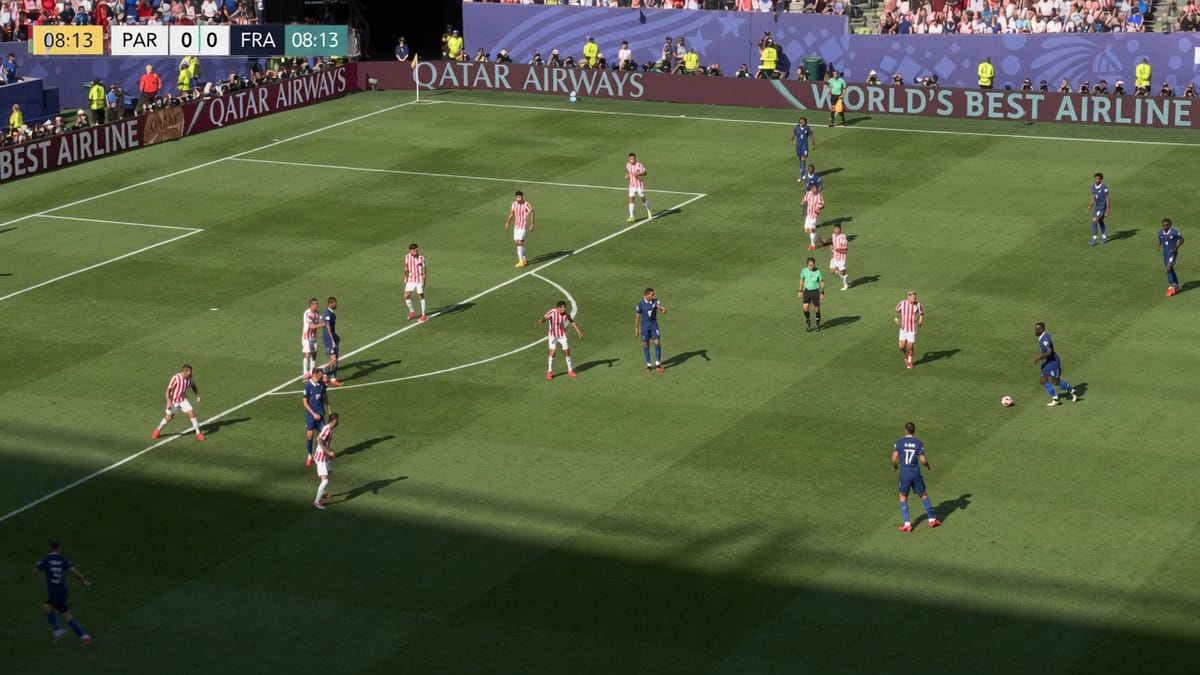
Six billion people are engaged with the 2026 FIFA World Cup in some form. The Round of 16 is underway. France beat Paraguay. England defeated Mexico at the Azteca. Norway knocked out Brazil. Argentina survived Cape Verde in dramatic fashion. Morocco sent host nation Canada home.
The tournament is at its most intense point right now, and the creator economy is generating historic levels of engagement alongside it. If you are a creator or entrepreneur who has not yet figured out your World Cup angle, the window is still open. But it is closing fast.
Here is what is actually working right now, why this tournament is different from every previous one, and exactly how to use what remains of it to grow your audience, land collaborations, and build visibility that lasts beyond July 19.
Why this World Cup is different for creators
Every World Cup generates creator opportunities. But 2026 is operating at a different scale and through a different set of channels than any tournament before it.
The expanded format, 48 teams, 104 matches, 16 host cities across the United States, Canada, and Mexico, means the tournament has produced more talking points, more upsets, more cultural moments, and more content opportunities than any previous edition. Germany eliminated on penalties by Paraguay. Morocco beating the Netherlands. Cape Verde reaching the Round of 16 for the first time. These are not just sports stories. They are global cultural moments that are generating massive social media conversation far beyond traditional football audiences.
Advertisement
Create, grow and monetize your newsletter with Beehiiv:

More importantly, the way fans are consuming this tournament has changed fundamentally. Research shows that 93% of fans are second-screening the World Cup, keeping a device open to follow commentary, check stats, and scroll social media while watching matches. Among fans aged 17 to 27, more than half say social media is their primary source of match-related content. Fans no longer just watch the World Cup. They experience it through creators.
TikTok signed a first-of-its-kind deal with FIFA to become the tournament's preferred platform, accelerating the shift toward creator-first content distribution. The result is that creator commentary, reactions, watchalongs, and behind-the-scenes content are now competing directly with official broadcast coverage for fan attention, and in many demographics, winning.
For creators and entrepreneurs, this shift is significant. The audience is not just watching the games. They are looking for creators to experience the tournament alongside. That is the opening.
The brand deal opportunity hiding in plain sight
One of the most significant stories of this World Cup that is not being covered in mainstream media is the scale of creator spending by major brands.
Unilever has publicly committed to shifting half its global media budget into social and creator marketing. Its World Cup strategy is built around what it describes as a many-to-many model, not one brand voice talking to millions, but many creators talking to many communities. The company has partnered with a diverse network of influencers and content creators across its largest markets, ranging from football fans and sportscasters to fashion, lifestyle, and beauty creators, and is hosting in-person creator hubs in Mexico City, New York, and Miami.
Adidas generated nearly $49 million in earned media value from creator content in just the first three weeks of the tournament, working with over 3,000 creators. Nike, Coca-Cola, McDonald's, and dozens of other brands are running active creator programs right now.
The critical insight from the data is that the brands winning at the World Cup are not the ones spending the most on television advertising. They are the ones that show up in the moments where they have something meaningful, relevant, or entertaining to add. Brands that were engaging with football culture before the tournament started carry more credibility than those who parachuted in for the final.
But there is still time. The quarterfinals, semifinals, and final represent the highest-engagement window of the entire tournament. Brands that have not yet activated creator partnerships are actively looking for creators who can help them show up authentically in the final two weeks. If you have an engaged audience in any niche that overlaps with football culture, this is a real opportunity to reach out proactively right now.
Advertisement
Get video ideas, write YouTube scripts in minutes, and follow what your competitors are doing:


The key is not to pitch yourself as a football creator if you are not one. It is to clearly articulate the specific community you speak to and how that community intersects with the tournament. A lifestyle creator whose audience includes young professionals watching matches after work. A food creator covering the cuisines of the nations still competing. A business creator analyzing the tournament's commercial story. The angle does not need to be sports. It needs to be authentic to what you already do.
The World Cup is creating overnight success stories and the lesson is not what you think
One of the most remarkable stories of this tournament has been the speed at which unknown individuals have gained global audiences overnight.
Cape Verde goalkeeper Vozinha gained over 15 million followers after a heroic performance in the knockout stage. New Zealand defender Tim Payne had 4,715 Instagram followers before Argentine football creator Valen Scarsini, with nearly 2 million followers, named him the least known player at the tournament and told his audience to follow him. Payne reached millions within a week. He then signed a one-year deal with Paraguayan club Olimpia, which used his new fame when announcing the move.
A fan known as Lumumba Vea became one of the tournament's most recognizable faces simply by attending DR Congo matches in a suit, standing still with one arm raised to recreate a statue of the country's first prime minister, Patrice Lumumba. He became memorable by repeating one clear, distinctive action until people associated it entirely with him.
The lesson for creators and entrepreneurs is not that overnight success is random. It is that when sudden attention arrives, having a clear, active, recognizable presence determines whether that attention becomes an opportunity or disappears.
Vozinha spent nearly two decades becoming good at his craft before his moment came. The audience arrived in one night. The skill took twenty years. The creators and entrepreneurs who are building consistently right now, who have an active presence and a clear identity, are the ones who will be positioned to capture any unexpected visibility the tournament delivers. Someone else can build the campaign for you. Your job is to have something worth pointing a crowd at when they arrive.
What is actually working on each platform right now
The data from the first three weeks of the tournament shows clear patterns in what is driving creator growth and brand value across platforms.
TikTok is the dominant platform for World Cup creator content. The tournament's top creator, a French-language football creator known as bassqlfoot, generated $1.6 million in earned media value from TikTok alone in the first three weeks, with an extraordinary engagement rate on just 31 posts. The formula is consistent across top-performing creators: fast reactions to match moments, cultural commentary, and content that captures the emotion of the tournament rather than just the scoreline.
Speed is everything on TikTok during a live event. When a memorable moment happens, a dramatic miss, a controversial referee decision, an unexpected result, creators who can react within an hour consistently generate their highest-performing content. The platform rewards those who are present and reactive, not those who plan every post three days in advance.
Instagram rewards cultural and lifestyle angles. The most successful World Cup content on Instagram is not match highlights. It is the culture around the tournament: the fashion, the fan experiences, the city atmosphere, the behind-the-scenes moments. Creators who are connecting their existing niche to the cultural conversation around the tournament, food creators covering the national cuisines, travel creators documenting host city experiences, fashion creators covering kit culture, are consistently outperforming generic football content.
YouTube rewards depth over speed. While TikTok dominates real-time reaction, YouTube is where the tournament's analytical and documentary content is performing best. Match breakdowns, tactical analysis, the human stories behind lesser-known teams, historical context for first-time World Cup nations. This is content that will keep performing long after the final whistle on July 19, which makes it particularly valuable for creators thinking beyond the tournament itself.
X is where the real-time conversation lives. For creators whose audiences are primarily on X, the World Cup is producing some of the highest-engagement content of the year. Hot takes, match threads, cultural commentary, and the kind of unfiltered reaction content that X audiences specifically value. The key is having a clear point of view rather than simply describing what happened.
How AI is giving creators a serious edge right now
The tournament produces multiple talking points every single day. For solo creators without a team, keeping up with that pace while maintaining content quality has historically been nearly impossible. AI is changing that equation directly.
The combination of AI speed and human strategic judgment is delivering both velocity and authenticity during a fast-moving tournament. Here is what that looks like practically:
AI can help you monitor what is being searched and discussed on each platform in real time, so you are creating content about what people are already looking for rather than guessing. It can help you draft captions, scripts, and short-form commentary faster than you could do it manually, freeing you to focus on your perspective and voice rather than the mechanics of production. It can repurpose a single piece of World Cup content across multiple platforms and formats without requiring you to start from scratch for each one. And it can help you research the cultural context behind teams, players, and results, so your commentary is informed and specific rather than generic.
The creators using AI most effectively during this tournament are not using it to generate their opinions. They are using it to execute their opinions faster and more consistently across more channels than they could manage alone.
The content calendar for the final two weeks
If you are building a World Cup content strategy right now, here is how the remaining schedule maps onto creator opportunity:
This week, July 7 to 11, the quarterfinals. This is peak emotional engagement. Argentina faces Egypt. France meets Morocco. Portugal or Spain take on the USA or Belgium. Norway plays England. Every match is a potential cultural moment. Your best content this week is reactive, opinionated, and specific. Do not try to cover everything. Pick the angle that connects most authentically to your existing niche and your existing audience, and be present and responsive when the big moments happen.
July 14 to 15, the semifinals. Four teams remain. The audience is at its most invested and most global simultaneously. Content that tells the human stories behind the remaining teams, the cultural significance of a potential winner, the business and commercial angles of who goes to the final, will find engaged audiences across every platform.
July 19, the final. The single biggest content day of the tournament. Whatever you have been building toward, this is where it lands. Post-final content also has a significant tail: analysis, retrospectives, and what-happens-next pieces will continue generating traffic for days after the final whistle.
The 2026 World Cup runs until July 19.
You have two weeks left of the biggest shared cultural moment of the year. The creators who are winning right now are not the ones covering football. They are the ones who found their specific angle where the tournament intersects with what they already create, showed up consistently, used AI to keep pace with the tournament's speed, and treated every match as a content opportunity rather than a distraction from their regular schedule.
The window is still open. Use what is left of it.